
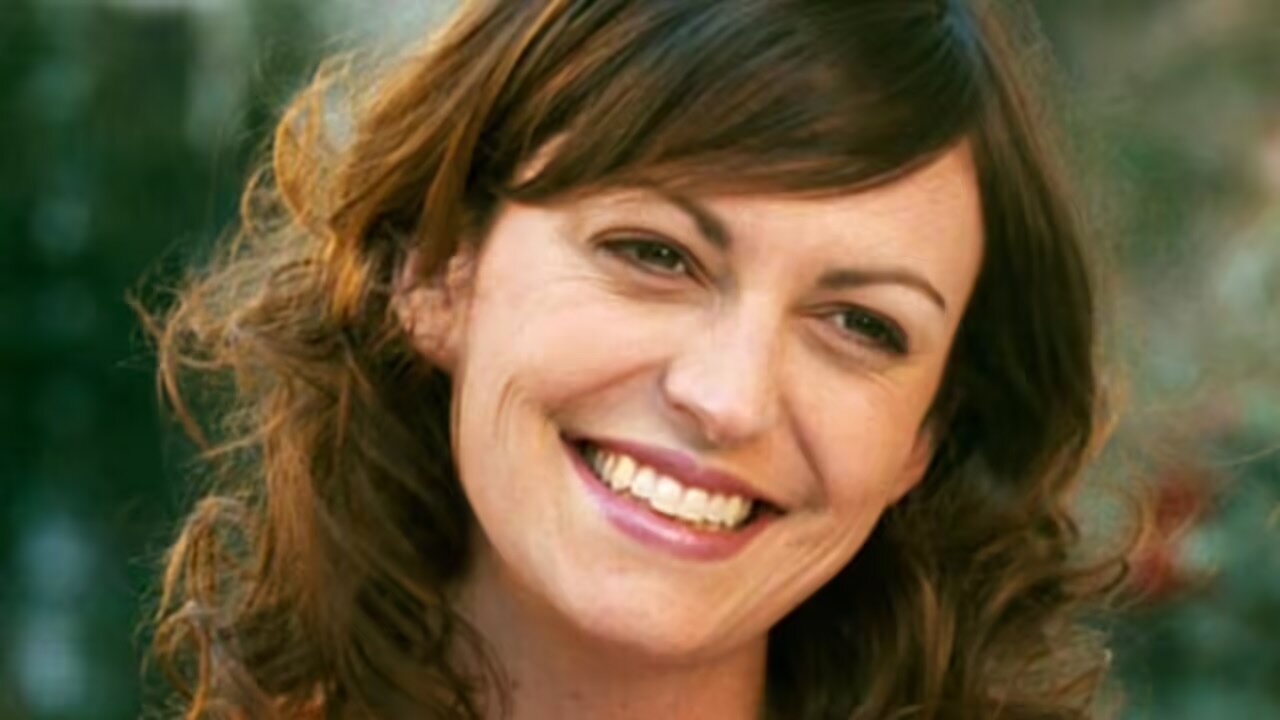
Canadian Actress Claire Brosseau Presses Court Challenge for Assisted Death Access in Psychiatric-Only Cases
Her case collides with Canada’s delayed expansion of medical assistance in dying for mental illness, now postponed until March two thousand twenty-seven.
A Canadian actress and comedian, Claire Brosseau, has become a central figure in Canada’s renewed debate over whether people living with severe, treatment-resistant mental illness should be eligible for medical assistance in dying.
Brosseau, forty-eight, says she has lived with psychiatric illness since her teens and has spent more than three decades cycling through diagnoses, hospitalisations, and repeated treatment attempts that, in her account, did not bring sustained relief.
She is seeking access to medical assistance in dying even when the suffering is psychiatric alone.
Canada’s current legal framework does not permit medical assistance in dying where a mental illness is the sole underlying medical condition.
That exclusion was set to change, but the planned expansion has been postponed and is now scheduled to take effect on March seventeenth, two thousand twenty-seven.
Against that backdrop, Brosseau has pursued a legal challenge in Ontario’s Superior Court, arguing that the exclusion treats people with psychiatric suffering differently from those with serious physical conditions who can qualify under existing rules.
She is advancing the case alongside John Scully, a former war correspondent living with post-traumatic stress disorder.
Brosseau’s personal story has drawn particular attention because it sits at the uncomfortable intersection of autonomy, medicine, and public responsibility.
Supporters of expanding eligibility argue that enduring psychological suffering can be as relentless and incapacitating as physical disease, and that equal dignity requires equal access to end-of-life choices.
Others warn that mental illness can distort judgment, that symptoms can fluctuate, and that the health system’s duty is to strengthen care and recovery pathways rather than normalise death as a solution.
Even among clinicians familiar with cases like Brosseau’s, views can differ sharply about whether psychiatric suffering can be deemed truly irremediable, and how to safeguard against error while respecting personal agency.
The court challenge now forces Canada to confront a hard question it has postponed but not resolved: how to protect vulnerable people while recognising that some suffering may persist beyond the reach of available treatment.
The outcome will shape the boundaries of medical assistance in dying for years to come.
Brosseau, forty-eight, says she has lived with psychiatric illness since her teens and has spent more than three decades cycling through diagnoses, hospitalisations, and repeated treatment attempts that, in her account, did not bring sustained relief.
She is seeking access to medical assistance in dying even when the suffering is psychiatric alone.
Canada’s current legal framework does not permit medical assistance in dying where a mental illness is the sole underlying medical condition.
That exclusion was set to change, but the planned expansion has been postponed and is now scheduled to take effect on March seventeenth, two thousand twenty-seven.
Against that backdrop, Brosseau has pursued a legal challenge in Ontario’s Superior Court, arguing that the exclusion treats people with psychiatric suffering differently from those with serious physical conditions who can qualify under existing rules.
She is advancing the case alongside John Scully, a former war correspondent living with post-traumatic stress disorder.
Brosseau’s personal story has drawn particular attention because it sits at the uncomfortable intersection of autonomy, medicine, and public responsibility.
Supporters of expanding eligibility argue that enduring psychological suffering can be as relentless and incapacitating as physical disease, and that equal dignity requires equal access to end-of-life choices.
Others warn that mental illness can distort judgment, that symptoms can fluctuate, and that the health system’s duty is to strengthen care and recovery pathways rather than normalise death as a solution.
Even among clinicians familiar with cases like Brosseau’s, views can differ sharply about whether psychiatric suffering can be deemed truly irremediable, and how to safeguard against error while respecting personal agency.
The court challenge now forces Canada to confront a hard question it has postponed but not resolved: how to protect vulnerable people while recognising that some suffering may persist beyond the reach of available treatment.
The outcome will shape the boundaries of medical assistance in dying for years to come.
AI Disclaimer: An advanced artificial intelligence (AI) system generated the content of this page on its own. This innovative technology conducts extensive research from a variety of reliable sources, performs rigorous fact-checking and verification, cleans up and balances biased or manipulated content, and presents a minimal factual summary that is just enough yet essential for you to function as an informed and educated citizen. Please keep in mind, however, that this system is an evolving technology, and as a result, the article may contain accidental inaccuracies or errors. We urge you to help us improve our site by reporting any inaccuracies you find using the "Contact Us" link at the bottom of this page. Your helpful feedback helps us improve our system and deliver more precise content. When you find an article of interest here, please look for the full and extensive coverage of this topic in traditional news sources, as they are written by professional journalists that we try to support, not replace. We appreciate your understanding and assistance.