
Brussels Police Intervene to Halt National Conservatism Conference Featuring Far-Right Leaders
Authorities cite public safety concerns as Orbán, Farage, and Braverman are denied a platform in the Belgian capital.
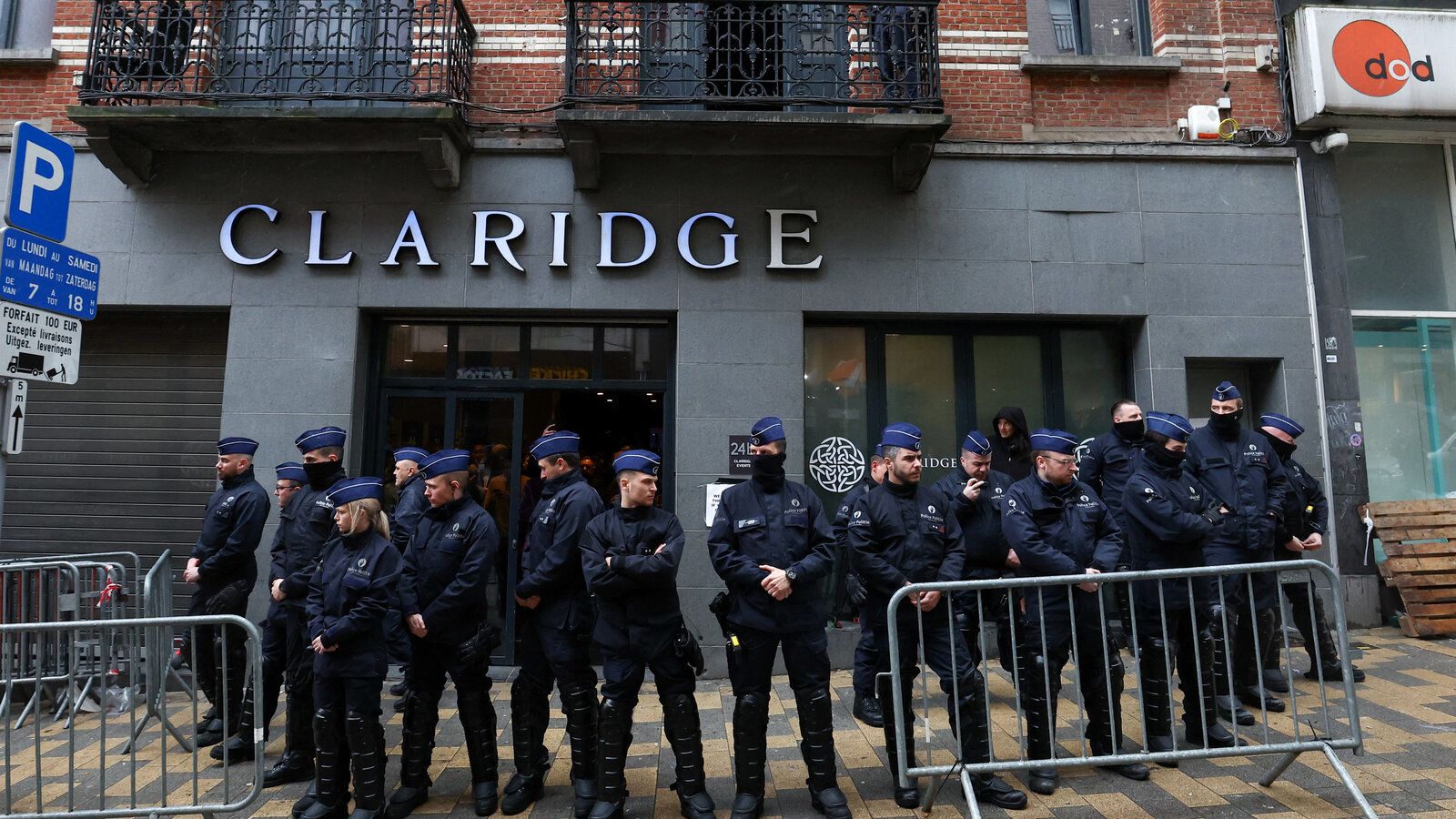
Brussels police have shut down the National Conservatism (NatCon) Conference, which was scheduled to feature prominent far-right leaders, including Hungarian Prime Minister Viktor Orbán, UK politician Nigel Farage, and former UK Home Secretary Suella Braverman.
The conference took place in Brussels and was projected to attract approximately 600 attendees.
Organizer representatives confirmed the police intervention occurred around 12:30 PM CET on Tuesday, moments after Farage began addressing the crowd at the Claridge venue.
Mayor Emir Kir of the Saint-Josse Ten Noode district confirmed that the decision to halt the conference was taken to 'guarantee public safety,' stating, 'The far right is not welcome.' This pronouncement reflects a broader context of rising tensions regarding nationalist movements in Europe, especially as various far-right and Eurosceptic parties appear to be gaining momentum in the lead-up to the upcoming European elections next month.
Prior to the police intervention, two other venues in Brussels had refused to host the NatCon conference after raising concerns over the event's nature and its speakers.
The Sofitel Hotel and an additional venue withdrew support following warnings from local authorities, which included communication from Vincent de Wolf, the mayor of the Etterbeek neighborhood, highlighting the controversial nature of the event.
Amidst the unfolding situation, the conference organizers described the event as 'extremely peaceful' and sought to engage Mayor Kir in dialogues regarding their platform.
Kir, previously affiliated with Belgium’s Socialist Party, found himself in hot water in 2020 after a contentious meeting with a Turkish delegation that included representatives from the ultra-nationalist, far-right MHP party.
European Parliament member Tom Vandendriessche, representing the far-right Flemish nationalist Vlaams Belang party and scheduled to contribute to the NatCon discussions, criticized the police intervention.
He condemned the actions of the Brussels authorities as politically charged, claiming that they represent a long-standing pattern of intimidation against right-wing perspectives in Belgium.
The police's actions have sparked significant debate regarding freedom of assembly and speech, raising questions about the extent to which authorities can intervene in political gatherings.
Critics of the intervention argue it may set a concerning precedent for the suppression of political discourse in Europe.
As discussions continue, the political landscape in Belgium and broader Europe remains volatile, particularly regarding the acceptance and legitimacy of far-right ideologies.
The closure of the conference serves as a focal point for ongoing discussions about public safety versus freedom of expression in democratic societies, with implications that may resonate across the EU as it navigates the complex dynamics of nationalism and populism in contemporary politics.
The conference took place in Brussels and was projected to attract approximately 600 attendees.
Organizer representatives confirmed the police intervention occurred around 12:30 PM CET on Tuesday, moments after Farage began addressing the crowd at the Claridge venue.
Mayor Emir Kir of the Saint-Josse Ten Noode district confirmed that the decision to halt the conference was taken to 'guarantee public safety,' stating, 'The far right is not welcome.' This pronouncement reflects a broader context of rising tensions regarding nationalist movements in Europe, especially as various far-right and Eurosceptic parties appear to be gaining momentum in the lead-up to the upcoming European elections next month.
Prior to the police intervention, two other venues in Brussels had refused to host the NatCon conference after raising concerns over the event's nature and its speakers.
The Sofitel Hotel and an additional venue withdrew support following warnings from local authorities, which included communication from Vincent de Wolf, the mayor of the Etterbeek neighborhood, highlighting the controversial nature of the event.
Amidst the unfolding situation, the conference organizers described the event as 'extremely peaceful' and sought to engage Mayor Kir in dialogues regarding their platform.
Kir, previously affiliated with Belgium’s Socialist Party, found himself in hot water in 2020 after a contentious meeting with a Turkish delegation that included representatives from the ultra-nationalist, far-right MHP party.
European Parliament member Tom Vandendriessche, representing the far-right Flemish nationalist Vlaams Belang party and scheduled to contribute to the NatCon discussions, criticized the police intervention.
He condemned the actions of the Brussels authorities as politically charged, claiming that they represent a long-standing pattern of intimidation against right-wing perspectives in Belgium.
The police's actions have sparked significant debate regarding freedom of assembly and speech, raising questions about the extent to which authorities can intervene in political gatherings.
Critics of the intervention argue it may set a concerning precedent for the suppression of political discourse in Europe.
As discussions continue, the political landscape in Belgium and broader Europe remains volatile, particularly regarding the acceptance and legitimacy of far-right ideologies.
The closure of the conference serves as a focal point for ongoing discussions about public safety versus freedom of expression in democratic societies, with implications that may resonate across the EU as it navigates the complex dynamics of nationalism and populism in contemporary politics.
AI Disclaimer: An advanced artificial intelligence (AI) system generated the content of this page on its own. This innovative technology conducts extensive research from a variety of reliable sources, performs rigorous fact-checking and verification, cleans up and balances biased or manipulated content, and presents a minimal factual summary that is just enough yet essential for you to function as an informed and educated citizen. Please keep in mind, however, that this system is an evolving technology, and as a result, the article may contain accidental inaccuracies or errors. We urge you to help us improve our site by reporting any inaccuracies you find using the "Contact Us" link at the bottom of this page. Your helpful feedback helps us improve our system and deliver more precise content. When you find an article of interest here, please look for the full and extensive coverage of this topic in traditional news sources, as they are written by professional journalists that we try to support, not replace. We appreciate your understanding and assistance.